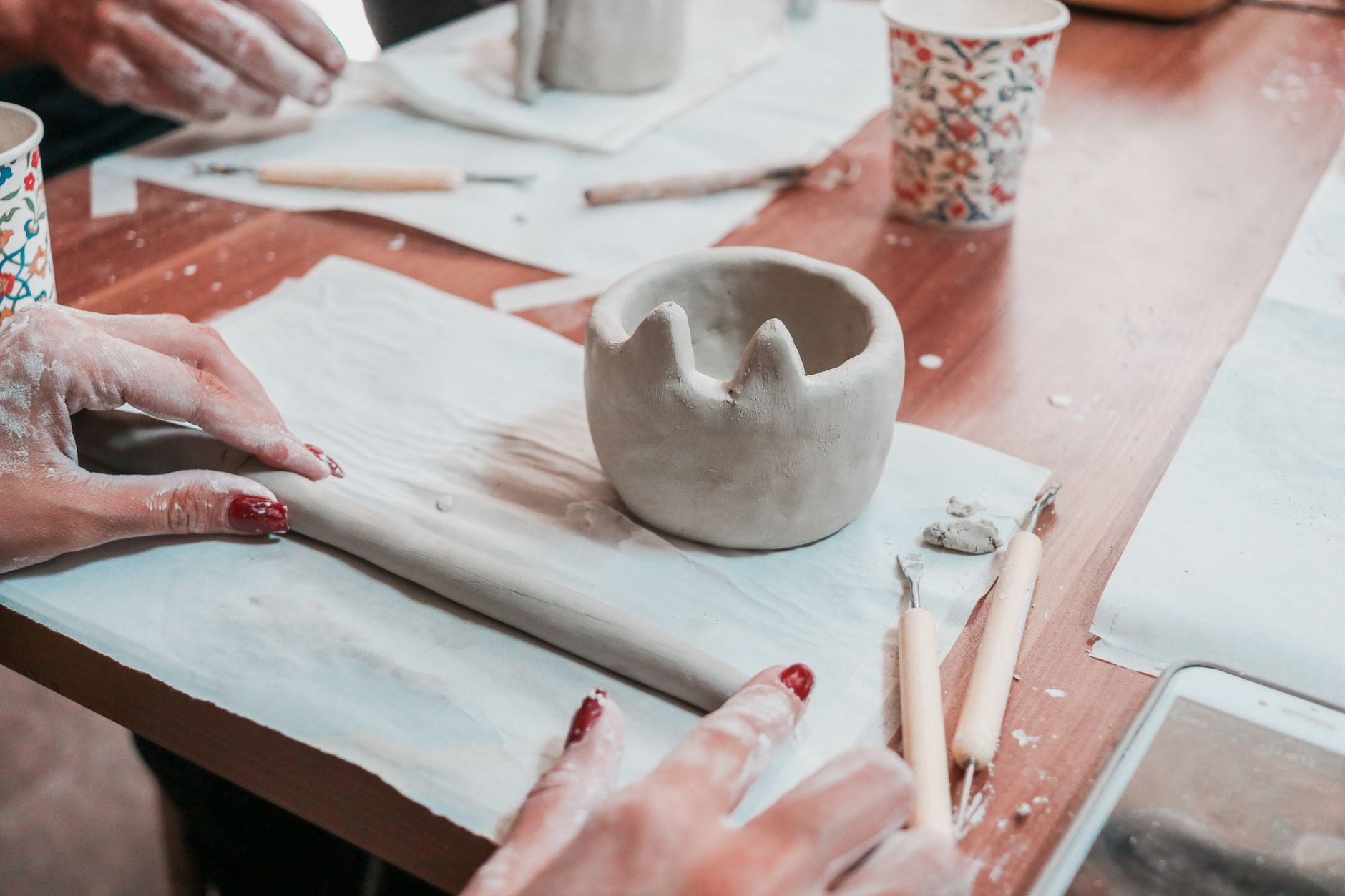
Do you’re keen on making issues along with your arms? Perhaps you knit cozy scarves, pour candles, or create charming little bears that make folks smile. If your mates preserve telling you, “It is best to promote these!” — they may be proper. Etsy is among the greatest locations on the planet to show your craft pastime into an actual enterprise.
Beginning an Etsy store promoting handmade crafts is thrilling, however it could additionally really feel overwhelming. The place do you start? What do it’s essential to put together? On this information, we’ll stroll you thru each step, from establishing your store to creating your first sale. Let’s get began!
Why Etsy Is Excellent for Handmade Craft Sellers
Etsy is a market constructed particularly for handmade, classic, and distinctive gadgets. Which means your clients are already on the lookout for precisely what you make. You shouldn’t have to persuade folks that handmade is particular — they already consider it.
Listed here are just a few explanation why Etsy is a good alternative for crafters:
- Constructed-in viewers: Hundreds of thousands of buyers go to Etsy daily on the lookout for handmade items.
- Low startup value: You possibly can open a store for just some {dollars}.
- Simple setup: You don’t want an internet site designer or technical expertise.
- Group assist: Etsy has boards, groups, and assets for sellers.
- Belief: Clients belief Etsy’s safe checkout and purchaser safety.
You probably have been dreaming of promoting your crafts on-line, Etsy is commonly the neatest first step.
Step 1: Select Your Craft Area of interest and Product Line
Earlier than you open your store, resolve what you’ll promote. “Handmade crafts” is simply too broad. Profitable Etsy retailers often concentrate on a selected area of interest.
Ask your self these questions:
- What do I take pleasure in making probably the most?
- What am I good at?
- What can I make persistently with out burning out?
- Is there demand for this sort of product?
For instance, as a substitute of promoting “residence decor,” you would possibly concentrate on handmade felt animal ornaments. As an alternative of “jewellery,” you would specialise in customized identify necklaces. A transparent area of interest helps clients discover you and bear in mind you.
Analysis Your Competitors
Search Etsy to your product concept. Have a look at the highest retailers. What do they do properly? What may you do otherwise? Don’t copy them — as a substitute, discover your individual angle. Perhaps your packaging is extra eco-friendly, or your designs are extra colourful, or your costs are extra reasonably priced.
Step 2: Set Up Your Etsy Store
Opening an Etsy store is easy. Here’s what it’s essential to do:
- Create an Etsy account if you don’t have already got one.
- Click on “Promote on Etsy” and select a store identify. Decide one thing straightforward to spell and bear in mind.
- Set your language, foreign money, and nation.
- Checklist your first merchandise. You can begin with only one product and add extra later.
- Arrange cost and billing. Etsy will ask to your financial institution particulars and a bank card for charges.
Etsy costs a small itemizing price (often $0.20 per merchandise) and a transaction price once you make a sale. There is no such thing as a month-to-month subscription required to start out.
Select a Store Title That Stands Out
Your store identify is your model. It needs to be:
- Simple to pronounce and spell
- Related to your crafts
- Not too just like present retailers
- Obtainable as a site identify (if you need an internet site later)
For instance, “Lindal Bears” is memorable, heat, and clearly associated to handmade bears. A reputation like “CraftyThings123” is forgettable and generic.
Step 3: Create Product Listings That Promote
Your product images and descriptions are your greatest salespeople. On Etsy, you can not depend on clients touching or feeling your product. You need to present them why it’s particular.
Take Nice Images
Good images are non-negotiable. Use pure gentle, a clear background, and a number of angles. Present your product in use — for instance, a home made scarf worn by a mannequin, or a candle glowing on a desk. Embody close-ups of particulars like stitching, texture, or personalization.
Write Clear, Key phrase-Wealthy Titles and Descriptions
Etsy works like a search engine. Use phrases that clients would sort into the search bar. For instance, as a substitute of “Cute Bear,” write “Handmade Teddy Bear, Delicate Plush Bear, Personalised Reward for Child Bathe.”
In your description, embrace:
- What the merchandise is and what it’s manufactured from
- Dimensions and weight
- Care directions
- Manufacturing time and transport particulars
- Any personalization choices
Be sincere and thorough. Clear descriptions scale back returns and construct belief.
Step 4: Worth Your Crafts Pretty
Pricing is among the hardest elements of promoting handmade. Many new sellers underprice their work. Don’t try this. You should be paid to your time, talent, and supplies.
Use this easy components:
Supplies + Labor + Overhead + Revenue = Worth
- Supplies: Yarn, cloth, beads, packaging, and so forth.
- Labor: Pay your self an hourly wage. Even $10–$15 per hour is an effective begin.
- Overhead: Etsy charges, transport provides, electrical energy, and so forth.
- Revenue: Add a margin so what you are promoting can develop.
Test related gadgets on Etsy to verify your value is aggressive however not too low. Bear in mind: handmade is a luxurious, not a discount bin.
Step 5: Market Your Etsy Store
Opening a store just isn’t sufficient. You want to deliver folks to it. Listed here are some easy advertising and marketing methods for crafters:
- Use Etsy search engine marketing: Use related tags and key phrases in your titles and descriptions.
- Share on social media: Publish behind-the-scenes images on Instagram, Pinterest, and TikTok.
- Be part of Etsy groups: Join with different sellers for assist and cross-promotion.
- Supply free transport: Many shoppers filter free of charge transport.
- Ask for opinions: Constructive opinions enhance your store’s rating and belief.
- Run gross sales: Occasional reductions or bundle offers appeal to new consumers.
Pinterest is particularly highly effective for handmade crafts. Pin your product images with hyperlinks again to your Etsy listings. It’s free and might deliver regular site visitors for months.
Step 6: Present Glorious Buyer Service
Nice customer support turns one-time consumers into loyal followers. Reply to messages shortly, ship on time, and bundle your gadgets superbly. A handwritten thank-you be aware or a small free present could make a giant impression.
If an issue occurs — and generally it can — deal with it calmly and professionally. Etsy consumers recognize sellers who care. Good service results in five-star opinions, and people opinions are gold to your store.
Widespread Errors to Keep away from
Many new Etsy sellers make the identical errors. Be taught from them:
- Itemizing too few gadgets: Goal for at the least 20–30 listings to get seen.
- Utilizing poor images: Blurry or darkish images kill gross sales.
- Ignoring search engine marketing: If you don’t use the precise key phrases, nobody will discover you.
- Underpricing: Don’t compete on value alone. Compete on high quality and uniqueness.
- Giving up too quickly: Success on Etsy takes time. Hold bettering and preserve itemizing.
Conclusion: Your Handmade Dream Begins Right now
Beginning an Etsy store promoting handmade crafts is an excellent strategy to share your creativity with the world — and earn cash doing what you’re keen on. From selecting your area of interest to taking images, pricing, and advertising and marketing, each step brings you nearer to your first sale.
Don’t await the “good” second. Begin small. Checklist one merchandise. Be taught as you go. Each profitable Etsy vendor started precisely the place you might be proper now.
Prepared to show your craft right into a enterprise? Open your Etsy store at present, record your first handmade creation, and take that courageous first step. Your future clients are already looking for one thing particular — and that one thing would possibly simply be made by you.

Craft artisan and DIY enthusiast specializing in handmade gifts, creative hobbies, polymer clay, and home decor projects. Passionate about sharing step-by-step craft tutorials, creative gift ideas, and practical guides to help fellow makers turn their artistic passions into beautiful everyday creations.
[…] Lindal Bears, we believe handmade crafts bring joy to both the maker and the admirer. Whether you’re crafting for your own space or […]