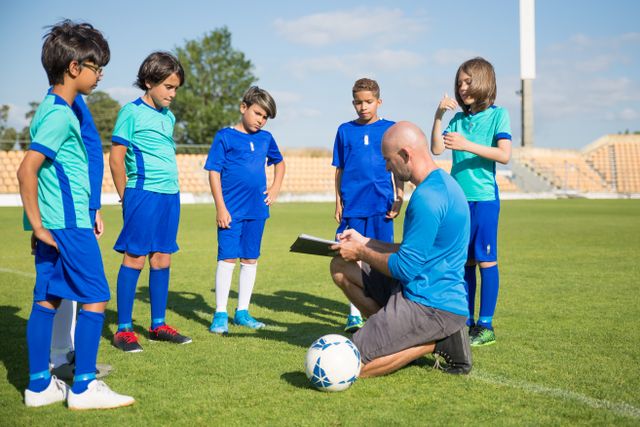
Whether or not it’s soccer, basketball, soccer, or another sport, the position of a coach is pivotal in shaping a workforce’s success. The distinction between an excellent workforce and a terrific workforce usually comes all the way down to the management, methods, and mindset that the coach brings to the desk. On this publish, we’ll discover the important methods that each profitable sports activities coach ought to know—providing insights that apply throughout all sports activities and ranges.
1. Constructing a Robust Workforce Tradition
Nice coaches perceive that successful begins off the sector. Making a optimistic, supportive, and disciplined workforce tradition conjures up athletes to commit absolutely to their objectives. This tradition is constructed on belief, respect, and shared values. When gamers really feel like they belong and are valued members of a collective effort, their motivation soars.
2. Communication is Key
Efficient communication varieties the spine of each profitable coach-player relationship. Coaches ought to intention to be clear, sincere, and approachable. Whether or not delivering criticism or reward, the message needs to be constructive, serving to gamers perceive what they did nicely and what wants enchancment. Listening to gamers and fostering open dialogue can uncover new concepts and construct stronger bonds.
3. Mastering the Fundamentals
Whereas flashy performs can excite crowds, mastering the basics is the inspiration of constant success. Coaches emphasize ability improvement comparable to correct footwork, passing, defending, or taking pictures strategies tailor-made to their sport. With out sturdy fundamentals, groups battle underneath stress.
4. Tailoring Methods to Your Workforce’s Strengths
Each workforce is exclusive, with its personal mixture of abilities and abilities. Profitable coaches analyze their workforce’s strengths and weaknesses and devise methods that play to these strengths. This might imply adopting a defensive strategy if the workforce excels at stopping opponents or specializing in quick breaks if velocity is a bonus.
5. Steady Studying and Adaptation
The sports activities world is dynamic. Coaches who succeed are those that continue learning—learning new strategies, analyzing rival groups, and staying knowledgeable on the newest in sports activities science and know-how. Flexibility and the willingness to adapt methods throughout video games and throughout seasons are essential.
6. Motivating and Inspiring Gamers
Teaching extends past drills and ways. It entails inspiring gamers to push their limits and consider in themselves. Whether or not by motivational talks, setting clear objectives, or celebrating small wins, nice coaches know the way to ignite the eagerness and confidence of athletes.
7. Managing Stress and Constructing Resilience
Aggressive sports activities include excessive stress. Coaches educate athletes strategies to handle nerves, keep targeted, and bounce again from losses or errors. Constructing psychological toughness is as vital as bodily health for sustained success.
8. Main by Instance
Actions usually converse louder than phrases. Coaches who display dedication, equity, and respect set the tone for his or her groups. Management by instance creates an atmosphere the place gamers emulate these values on and off the sector.
Actual-Life Instance: The Affect of Teaching Management
Historical past is filled with coaches whose management reworked groups. From revolutionary recreation plans to fostering lifelong athlete improvement, these coaches spotlight how technique mixed with empathy drives efficiency. Their tales remind us that teaching is each an artwork and a science.
Conclusion
For coaches at any degree, specializing in these core methods can elevate their groups to new heights. Constructing a successful tradition, speaking successfully, mastering fundamentals, and adapting to alter are just some pillars of success. Above all, teaching is about inspiring and guiding athletes to be their finest selves. With ardour and objective, any coach could make a long-lasting affect.
Prepared to steer your workforce to victory? Begin by embracing these ideas and watch the transformation start!@

Craft artisan and DIY enthusiast specializing in handmade gifts, creative hobbies, polymer clay, and home decor projects. Passionate about sharing step-by-step craft tutorials, creative gift ideas, and practical guides to help fellow makers turn their artistic passions into beautiful everyday creations.